

What is Orifice Flow Calibrator
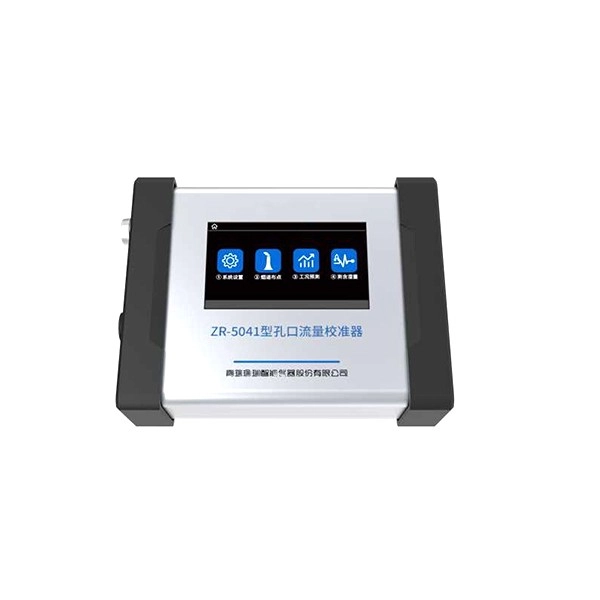
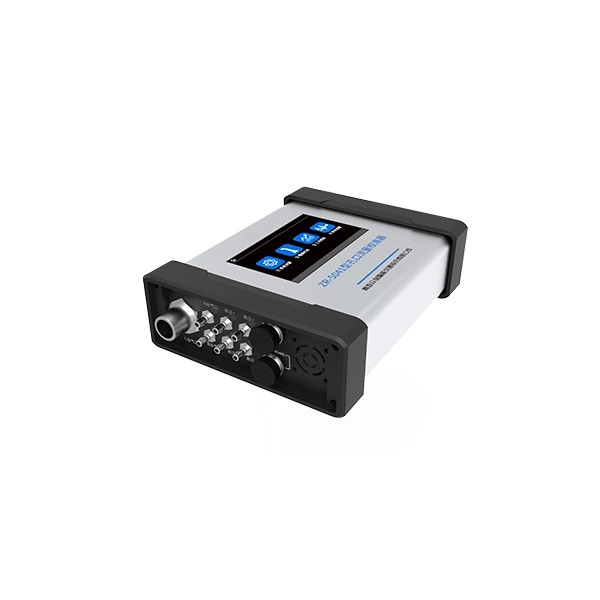
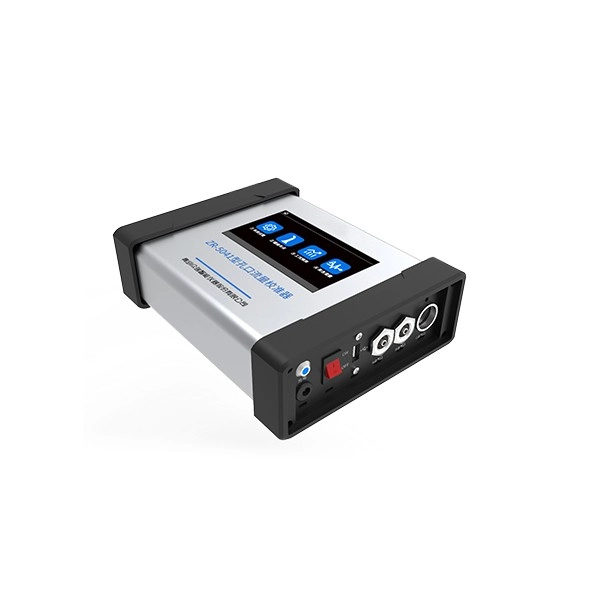
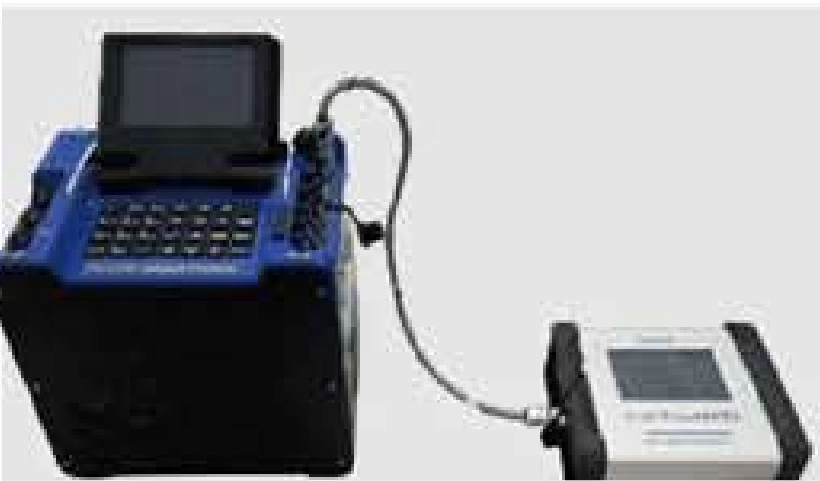
The Orifice Flow Calibrator is a high-precision instrument based on the principles of fluid mechanics, primarily used to measure and calibrate the flow of gases or liquids within a pipeline. It frequently serves as a high-precision reference standard to calibrate other flow meters, air samplers, or industrial fluid equipment.

Orifice Flow Calibrator Features
Intelligent Operation and Interface
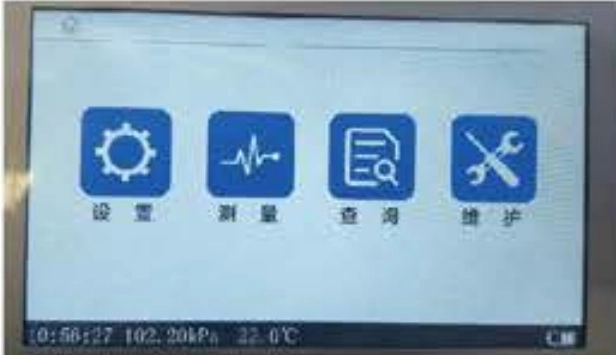
Equipped with a large, high-definition touch screen for simple operation, featuring a user-friendly interface and intuitive interaction.
Multi-Parameter Calibration Capability
- Built-in high-precision pressure sensor; supports an optional manual pressure generator for pressure calibration.
- Built-in high-precision resistor; supports PT100 flue gas temperature calibration with a maximum permissible error of ±1°C.
- Supports external calibration protocols.
- Built-in temperature and pressure sensors; supports automatic measurement or manual data input.
Convenient Battery Life and Data Output
- The lithium battery provides a continuous runtime of >6 hours, meeting the demands of prolonged on-site operations.
- Test data can be directly printed via a Bluetooth printer, facilitating immediate on-site data output and recording.
Precision Measurement
- High flow accuracy with excellent repeatability.
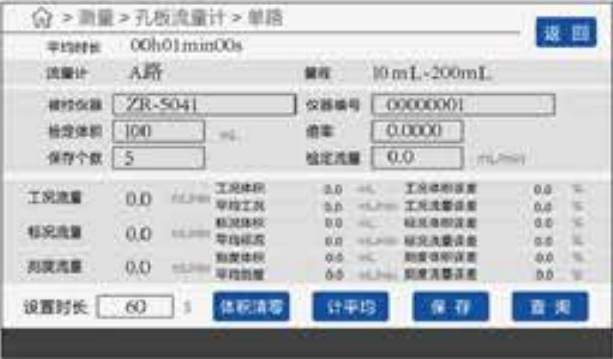
- Real-time display of actual, standard, and scale flow rates.
- Features a time-averaging function that supports the automatic calculation of average flow rates over a user-defined duration (up to 9,999 seconds).
Orifice Flow Calibrator Working Principle
Its core mechanism is highly straightforward: throttling creates a pressure differential.
When a fluid (such as air or water) flows through an orifice plate (a metal plate with a precisely machined circular hole in the center) inside a pipe, the cross-sectional flow area suddenly decreases, forcing the fluid’s velocity to increase sharply. According to Bernoulli’s principle, this increase in velocity is accompanied by a localized drop in static pressure. Consequently, a distinct pressure differential (ΔP) is formed across the upstream and downstream sides of the orifice plate.
The greater the flow rate, the larger the pressure differential generated.
The flow rate is directly proportional to the square root of the pressure differential. By accurately measuring this pressure differential and factoring in parameters such as the physical dimensions of the orifice plate and the fluid’s density, the actual volumetric flow rate can be calculated with extreme precision.
Components
- Orifice Plate: The core throttling element of the instrument, typically a precision-machined stainless steel circular plate. Its bore diameter is strictly calibrated against national or international standards.
- Pressure Taps: Located on the pipe walls upstream and downstream of the orifice plate, these are used to extract the static pressure signals from both sides.
- Manometer / DP Transmitter: Used to read the pressure differential between the upstream and downstream taps. Early devices used U-tube water manometers, while modern calibrators are usually equipped with high-precision digital micro-differential pressure sensors.
- Calibration Conversion System: Working in conjunction with a barometer and thermometer, this system converts the measured pressure differential into flow rate values under standard working conditions in real-time.
Applications
Environmental & Air Sampling: This is one of the most common applications. It is used to calibrate high-volume air particulate samplers (such as TSP/PM10 samplers) to ensure the accuracy of environmental monitoring data.
Medical Gas Equipment: In medical device manufacturing, it is used to calibrate the internal gas flow meters of ventilators, anesthesia machines, or high-flow oxygen therapy equipment.
Industrial Fluid Testing: Serving as a secondary reference standard in factory laboratories, it is used to calibrate standard industrial flow meters prior to shipment, or to verify whether the output flow of pump and valve equipment at specific pressures meets technical specifications.