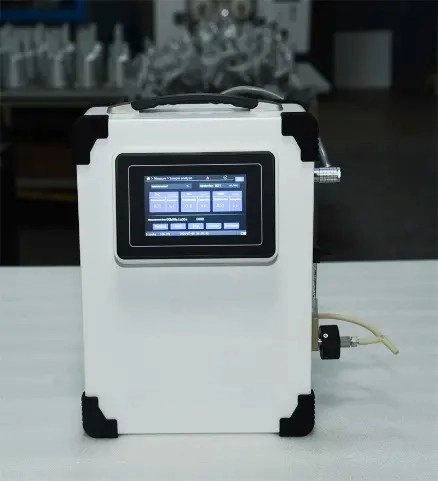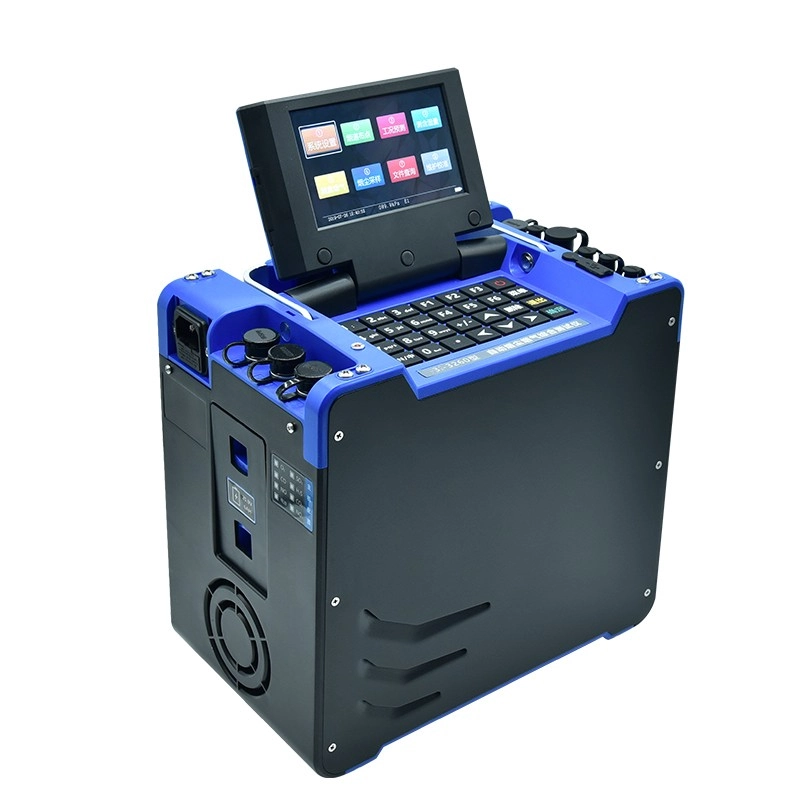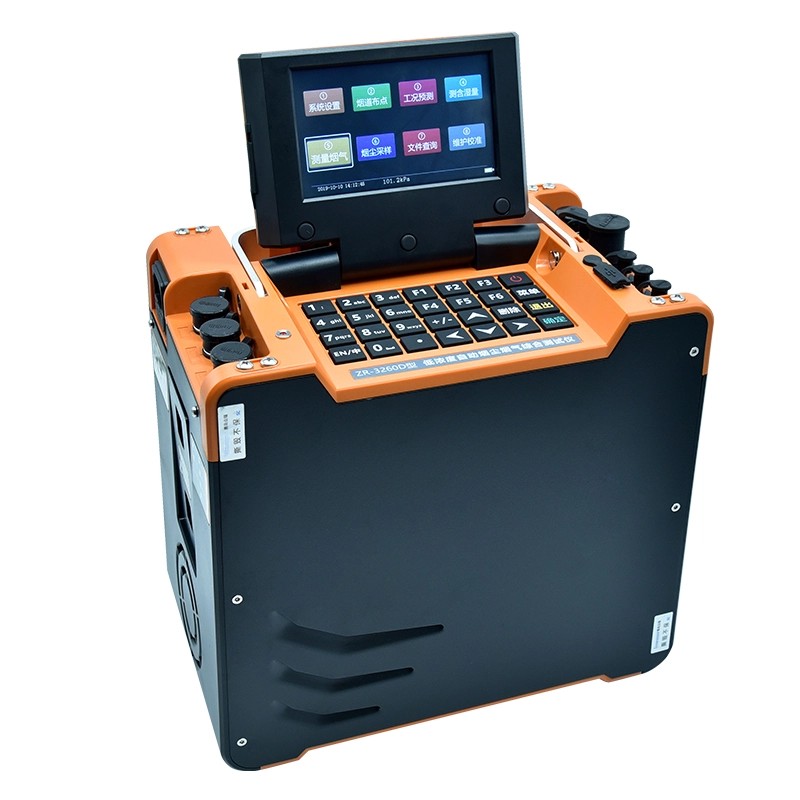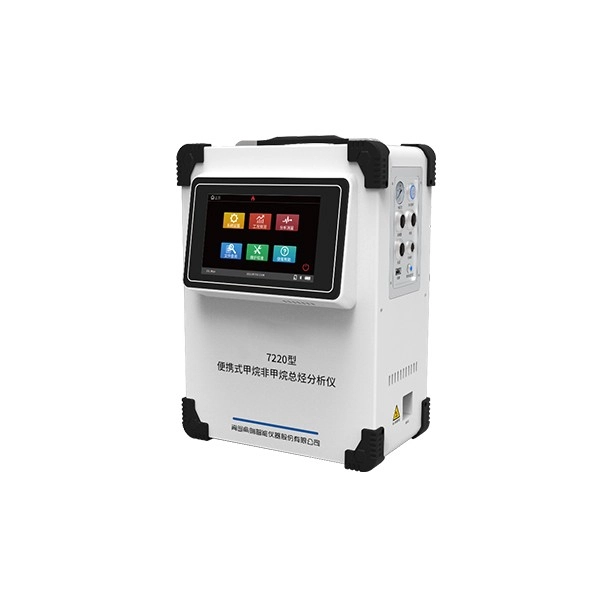

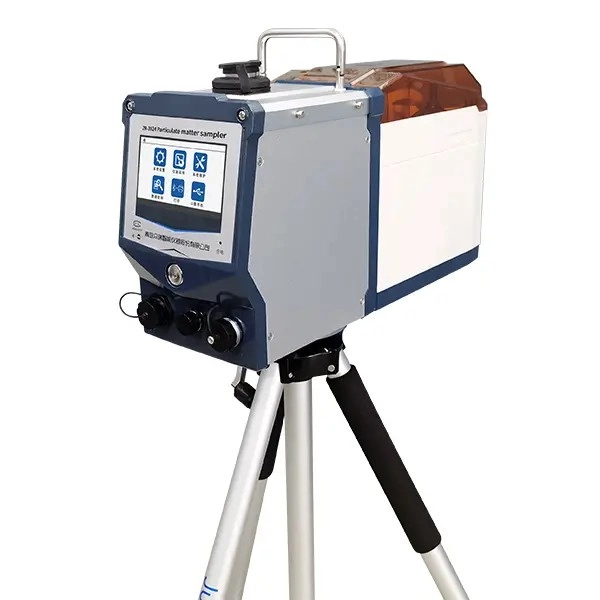
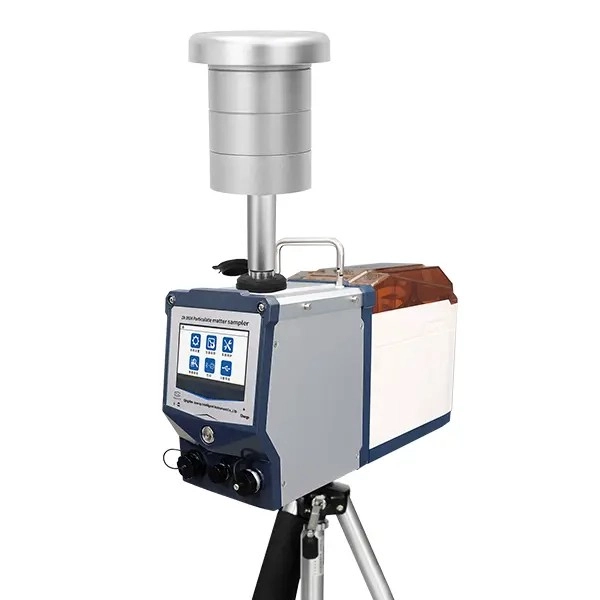
Particulate Matter Sampler is a specialized analytical instrument engineered for environmental monitoring and industrial compliance testing. It quantitatively isolates and collects airborne suspended particulate matter (e.g., PM2.5, PM10, TSP) from ambient atmosphere or emission sources. It serves as fundamental hardware for evaluating air quality, fulfilling regulatory compliance requirements, and conducting advanced aerosol research.
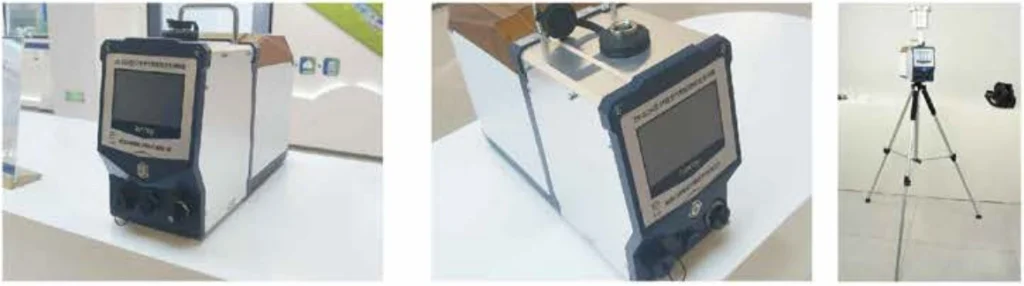
Key Features
- Intuitive Touch Interface: Equipped with a 4.3-inch color touchscreen for straightforward and user-friendly operation.
- Compact & Portable: Ultra-compact form factor and lightweight construction ensure effortless mobility for field sampling.
- Power-Failure Recovery Memory: Integrated memory automatically resumes the active sampling routine once power is restored after an unexpected outage.
- Data Storage & USB Export: Onboard data logging capabilities with convenient USB drive export support.
- Wireless Bluetooth Printing: Supports real-time local printing via a wireless Bluetooth connection.
- Ruggedized Environmental Protection: Built to be rainproof, dustproof, anti-static, and impact-resistant, guaranteeing stable operation in harsh environments (rain, snow, dust, and severe haze).
- Integrated Power Supply: Features a high-capacity built-in lithium battery for cordless field deployment.
- 4-Channel Concurrent Sampling: Supports four independent sampling channels to collect airborne particulates and gaseous pollutants simultaneously.
- Flexible Sampling Protocols: Offers versatile sampling modes, including timed, continuous, and 24-hour scheduled monitoring.
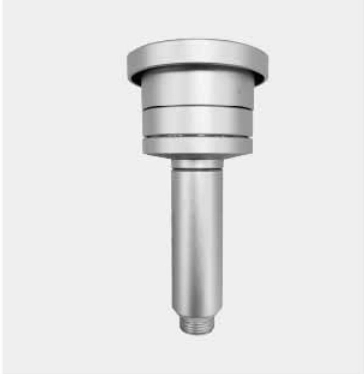
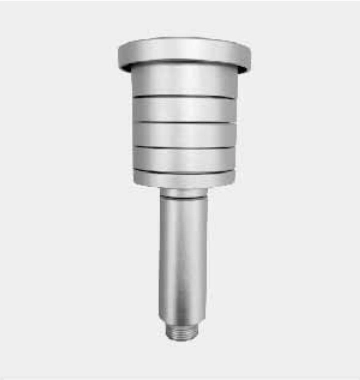
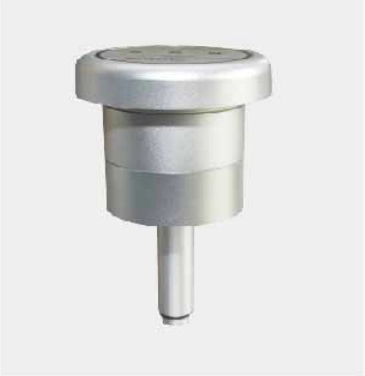
- Anti-Static Particle Cutters: Aluminum alloy particle separators (TSP / PM10 / PM2.5) resist static adsorption to maintain sizing accuracy.

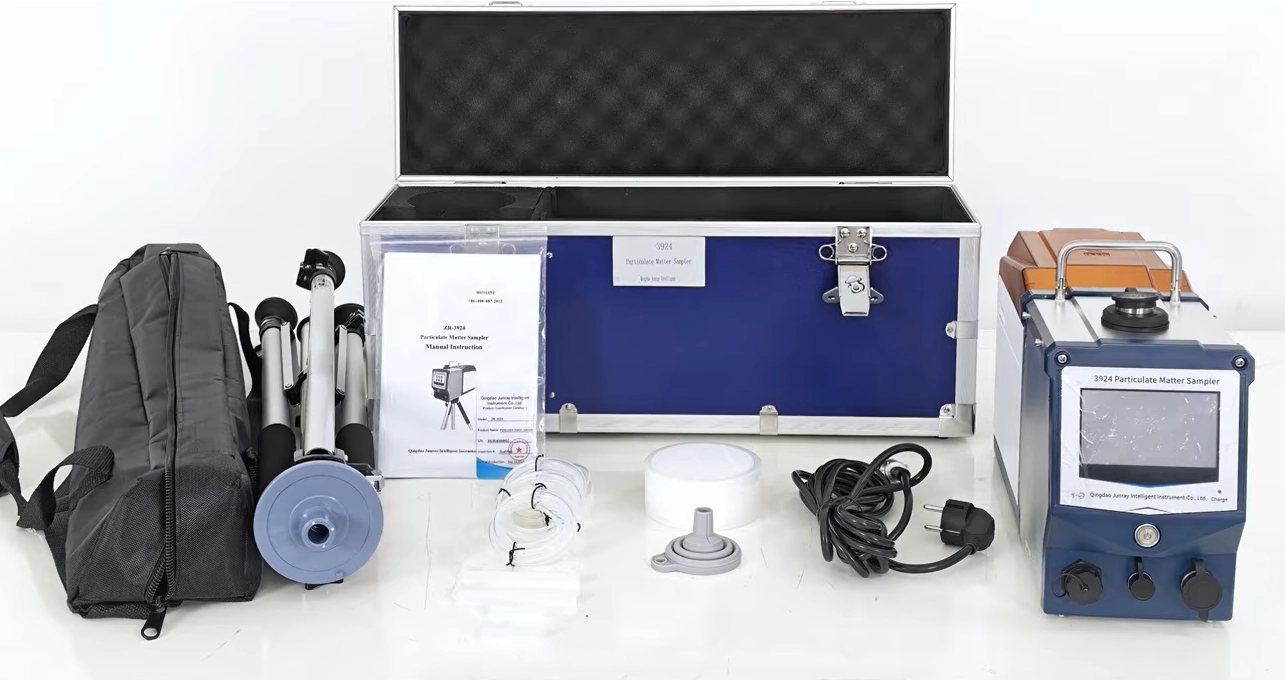
Accessories
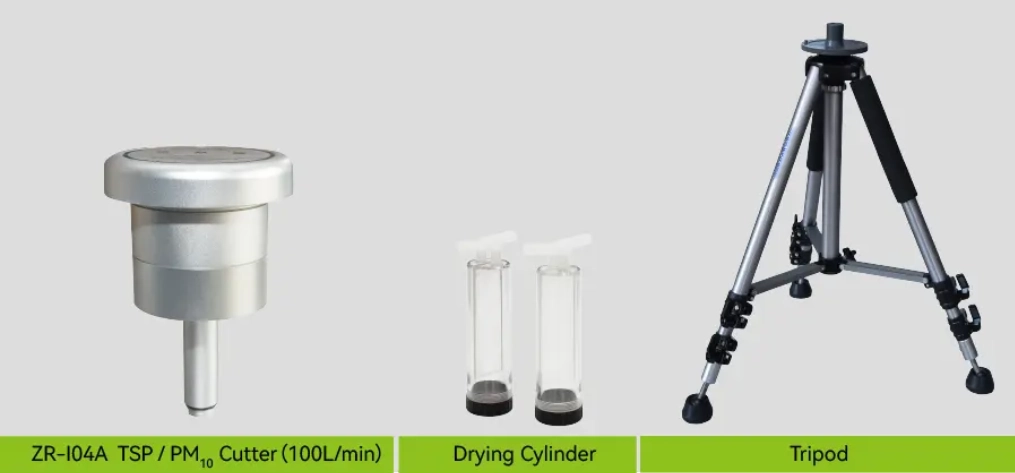
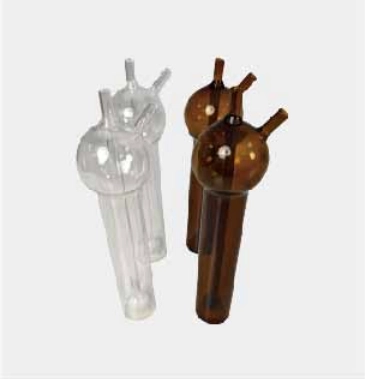
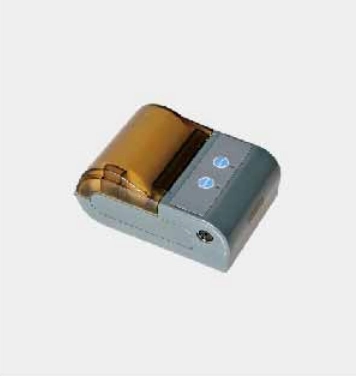
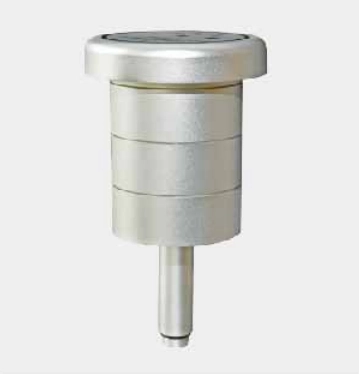
Applications
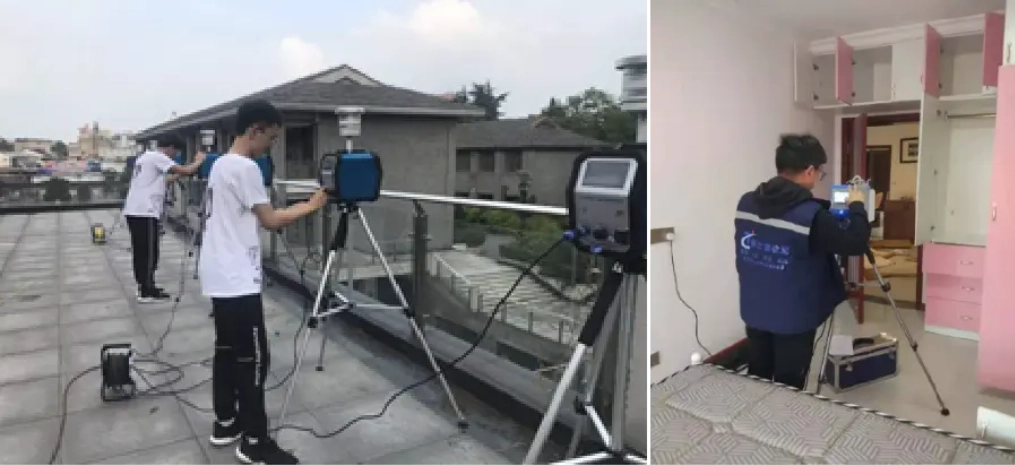
Industrial Fugitive Emission Monitoring: Tracks dust levels at factory boundaries, mines, and construction sites to ensure environmental compliance.
Stationary Source & Stack Testing: Evaluates emission inventories and dust removal efficiency in power plants and metallurgical factories.
Occupational Health & Safety (OHS): Monitors individual worker dust exposure in workshops and chemical plants to prevent occupational hazards.
Ambient Air Quality Monitoring: Provides core PM2.5 and PM10 data at municipal stations for public Air Quality Index (AQI) reporting.
Standards
Standard Set A
HJ 93-2026:Technical requirements and test methods for ambient air particulate matter (PM10 and PM2.5) samplers
HJ 618-2011:Determination of PM10 and PM2.5 in ambient air – Gravimetric method
HJ 656-2013:Technical specifications for manual monitoring (gravimetric method) of ambient air particulate matter (PM2.5)
HJ/T 374-2007:Technical requirements and test methods for total suspended particulate samplers
HJ/T 375-2007:Technical requirements and test methods for ambient air samplers
JJG 943-2011:Verification regulation of total suspended particulate samplers
JJG 956-2013:Verification regulation of atmospheric samplers
Q/0214 ZRB010-2017:Comprehensive ambient air particulate sampler
Standard Set B
HJ 583-2010:Ambient air – Determination of benzenes – Solid sorbent adsorption/thermal desorption-gas chromatography
HJ 584-2010:Ambient air – Determination of benzenes – Activated carbon adsorption/carbon disulfide desorption-gas chromatography
HJ 645-2013:Ambient air – Determination of volatile halogenated hydrocarbons – Activated carbon adsorption-carbon disulfide desorption/gas chromatography
Packing
Particulate Matter Sampler Working Principle
The sampler operates by controlling fluid dynamics to separate and enrich particles of specific aerodynamic diameters from an incoming air stream.
The standard operating process consists of three critical stages:
- Particle Sizing & Cutoff (Inertial Separation): A precision sampling pump draws ambient air into the inlet head at a controlled flow rate. The sample passes through a sizing separator (an impactor or cyclone). Based on the principle of inertial impaction, particles larger than the designated cutoff size cannot follow the bending streamlines and collide with a greased impaction plate where they are trapped. Target-sized particles remain entrained in the air stream and proceed to the collection zone.
- Filter Media Capture: The separated target particles are directed into the primary collection chamber and deposited onto a specialized filter membrane. Depending on downstream analytical requirements, filter media typically consist of polytetrafluoroethylene (PTFE/Teflon), quartz fiber, or glass fiber.
- Active Constant Flow Control: An internal Mass Flow Controller (MFC) combined with differential pressure and temperature sensors provides real-time active compensation for increasing filter flow resistance caused by dust loading. This maintains a strictly constant volumetric flow rate across the entire sampling duration, which is essential for accurate volumetric concentration calculations (mass / volume).
Post-Sampling Analytical Workflow:
Once sampling is complete, technicians remove the loaded filter membrane. The collected particulate mass is determined gravimetrically after conditioning in a temperature- and humidity-controlled environment, or processed in a laboratory for chemical composition analysis (e.g., heavy metals, polycyclic aromatic hydrocarbons [PAHs]).