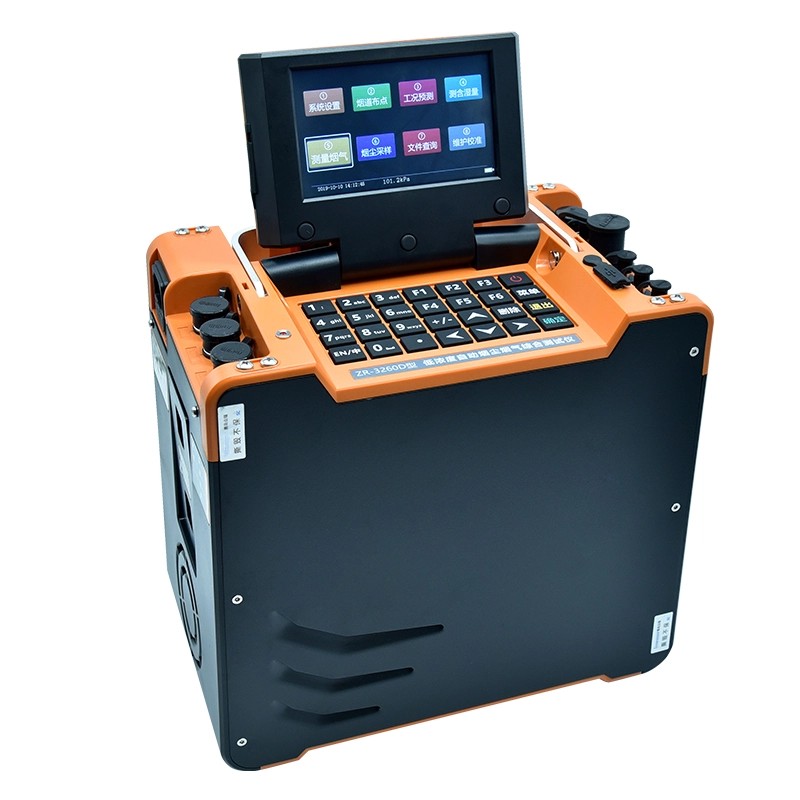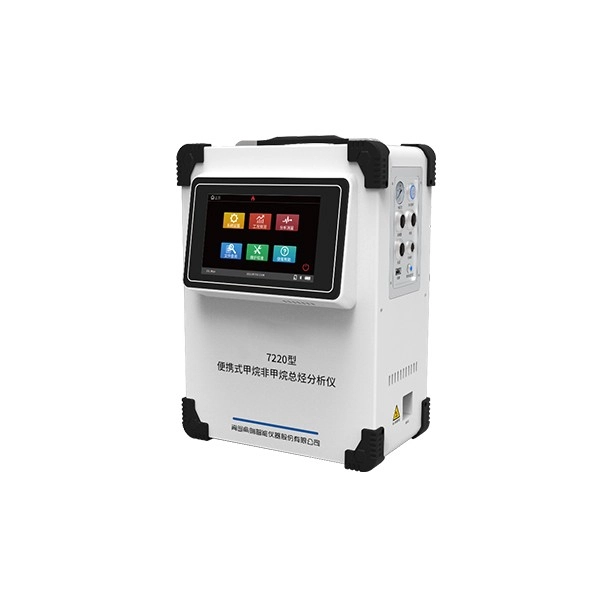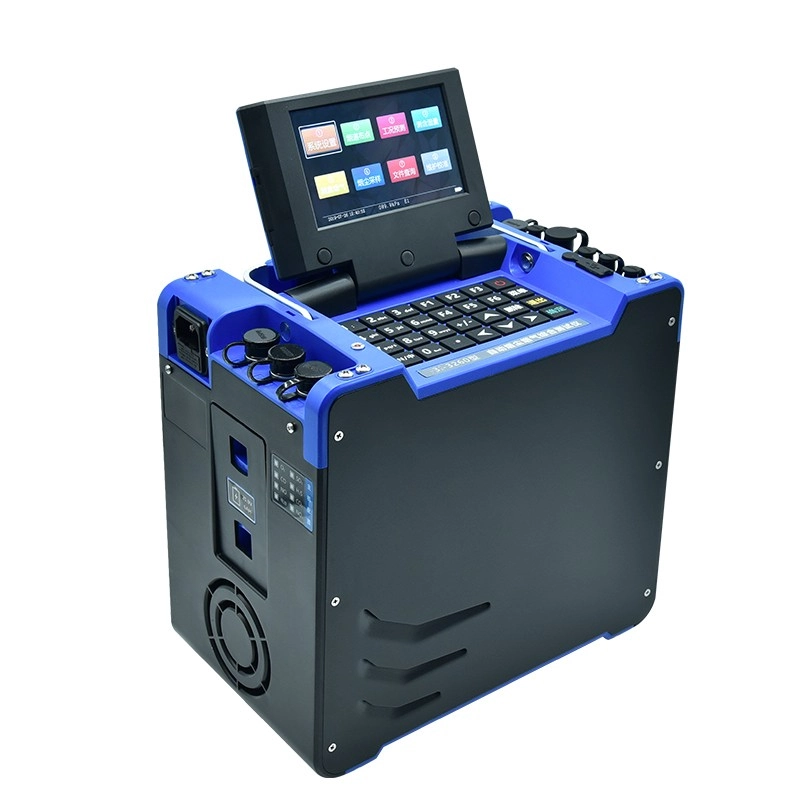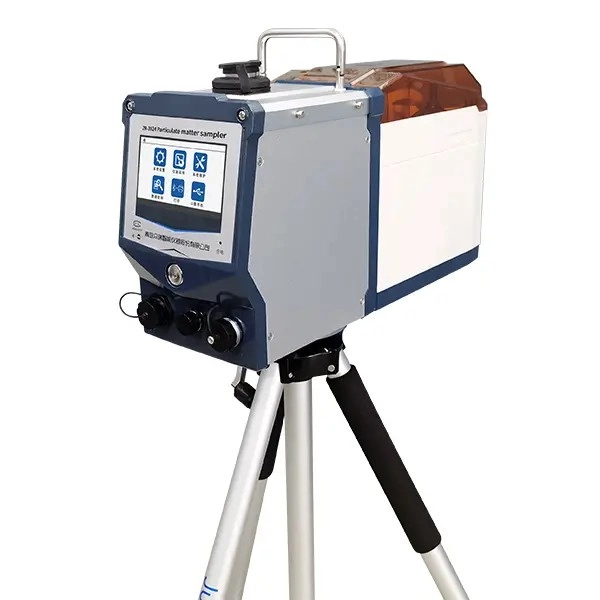

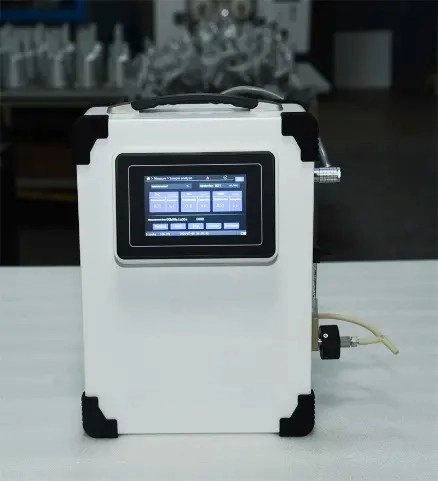
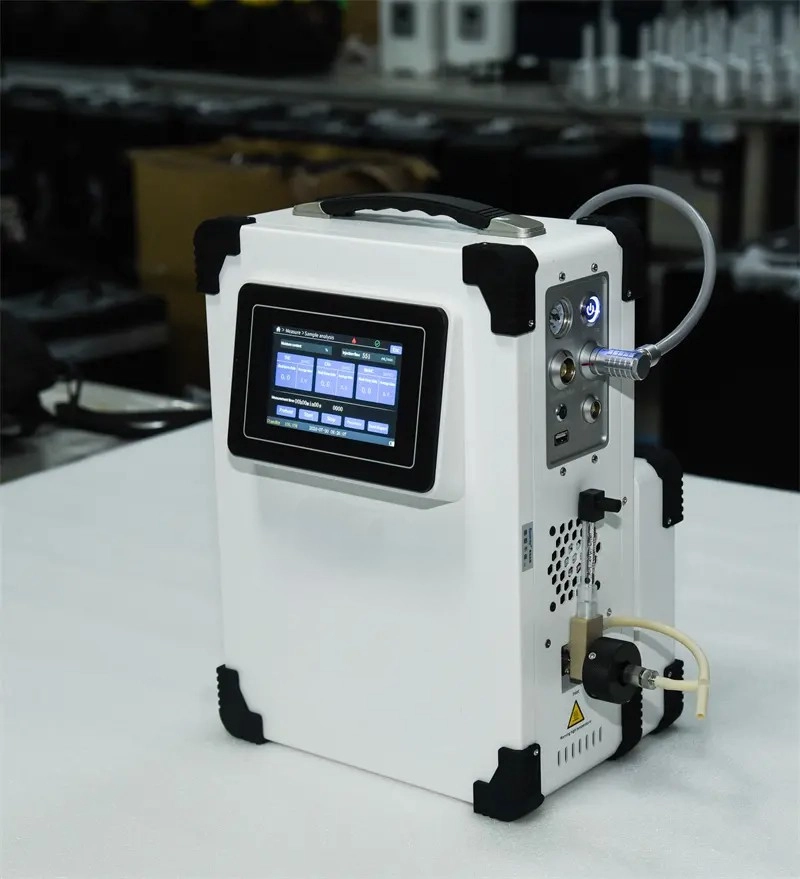
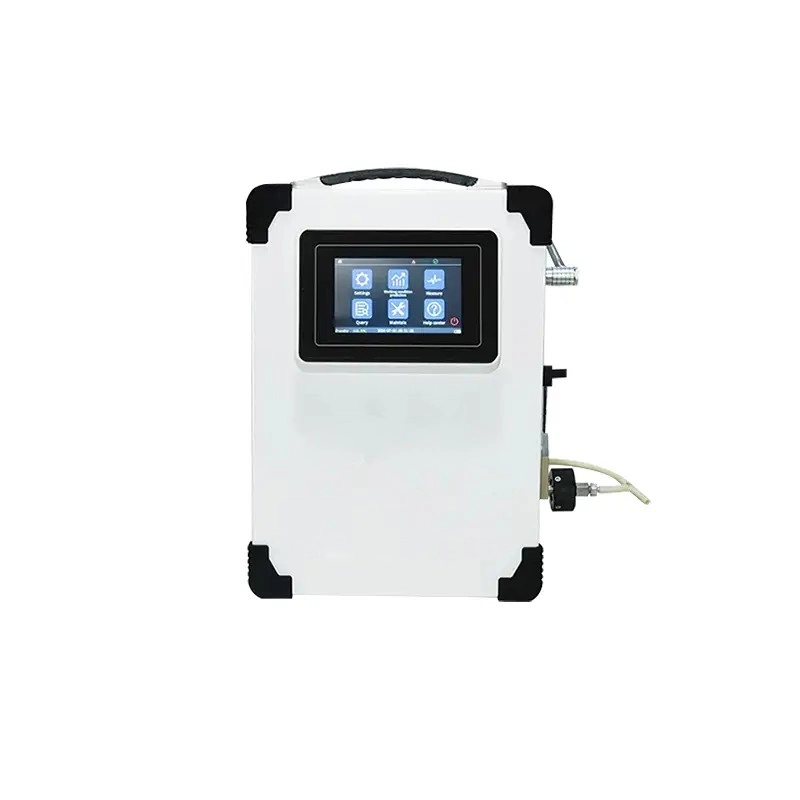
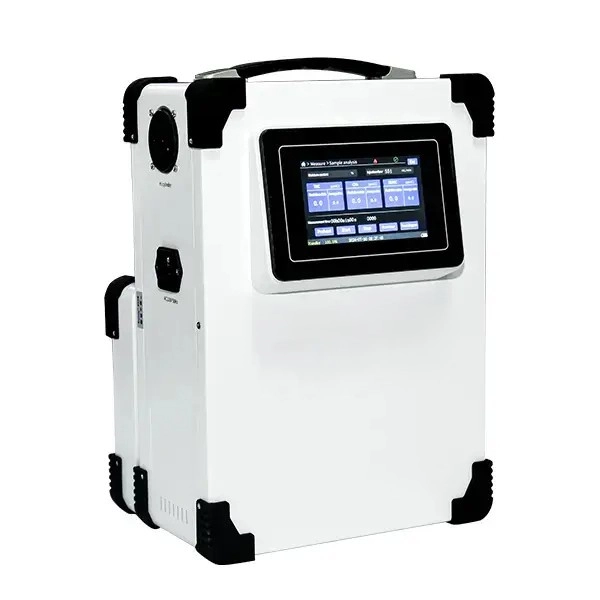
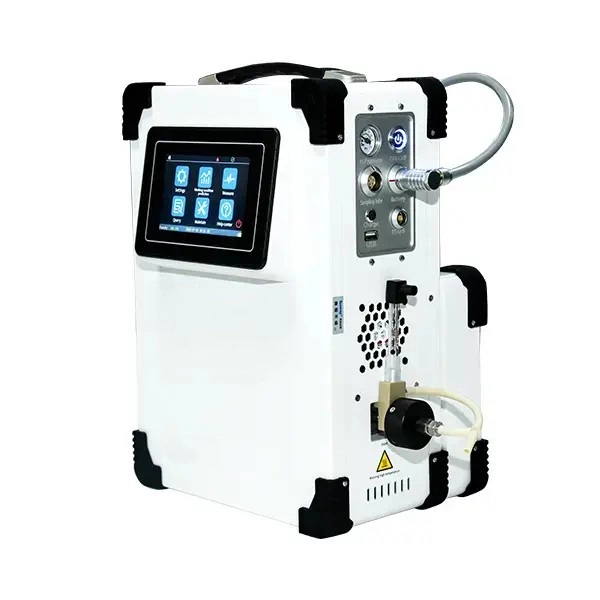
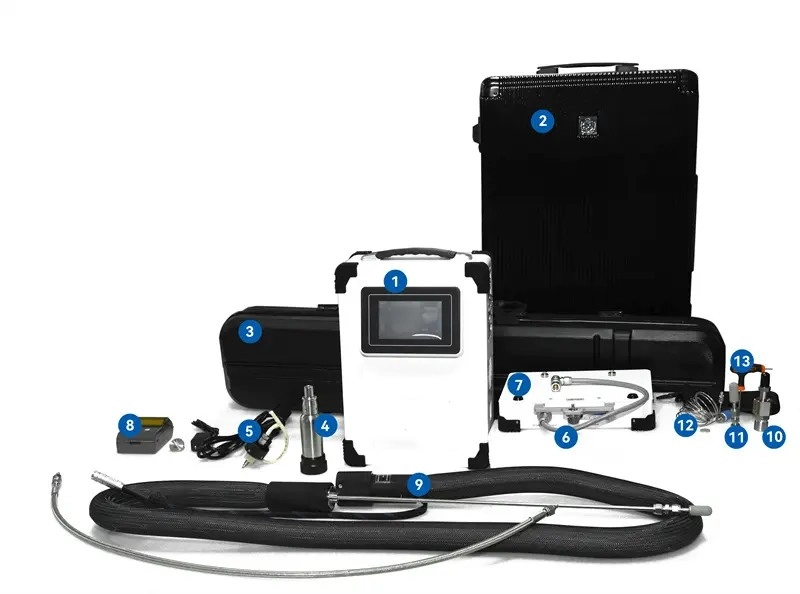
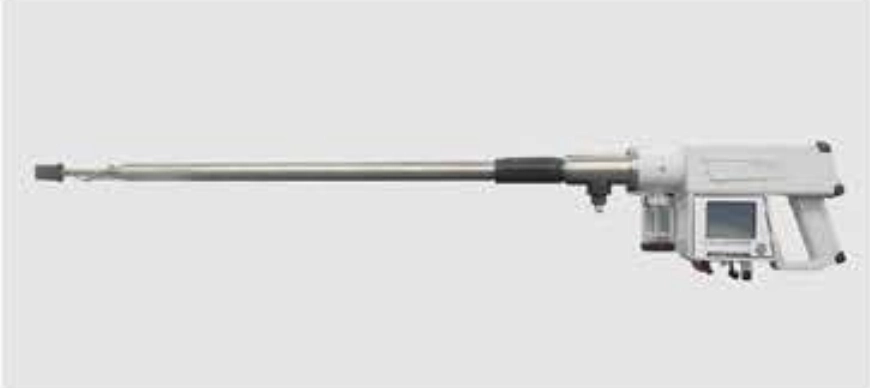
The Portable H-FID THC Analyzer (Portable Heated Flame Ionization Detector Total Hydrocarbon Analyzer) is a portable environmental monitoring instrument designed for rapid and precise on-site measurement of Volatile Organic Compounds (VOCs) and Total Hydrocarbons (THC) concentrations in gases.
Key Features
- Multiple Calibration Curves for Convenient Calibration: Features built-in single-point and multi-point calibration curves, allowing users to select the appropriate curve based on the concentration range of the NMHC test.
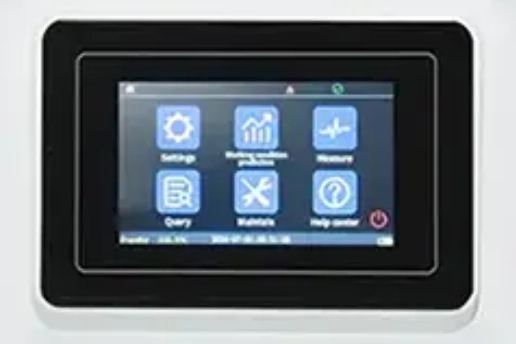
- Intelligent Operation with Full Traceability: Equipped with a large, high-definition color LCD touchscreen for user-friendly operation. Built-in large-capacity memory supports real-time data storage and USB export. Compatible with Bluetooth printers for flexible and efficient data output. Supports one-click time synchronization via mobile phone and customizable device codes. Features Beidou positioning, 4G remote data transmission, QR code printing, and system log recording. Dynamic status display allows users to easily monitor operational conditions.
- Robust, Durable, and Excellent Performance: Short analysis cycle of 15 seconds increases detection frequency and rapidly captures pollution fluctuations. Electronic Pressure Controller (EPC) with a resolution of 0.01 psi and temperature compensation ensures stable control. Fully high-temperature heated sampling line with silanized inner walls prevents adsorption. Low limit of detection (LOD) meets the requirements for rapid on-site detection. Equipped with a high-capacity lithium battery supporting ≥ 4 hours of on-site testing. Utilizes a solid-state hydrogen storage cylinder for high capacity, long lifespan, and safety. Built-in filters and independently developed core modules (catalytic, FID, electrical) with thermostatic and shock-absorbing designs eliminate temperature drift, ensuring stable results. Adopts imported catalysts for high conversion efficiency and extended lifespan.
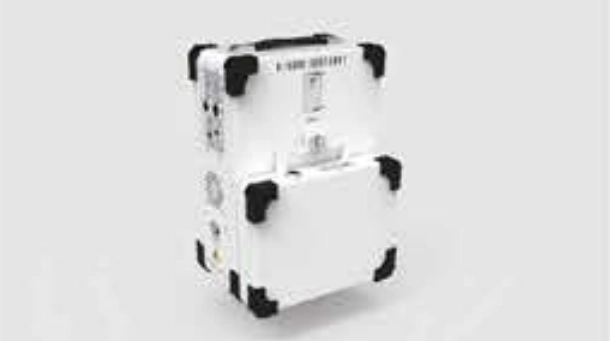
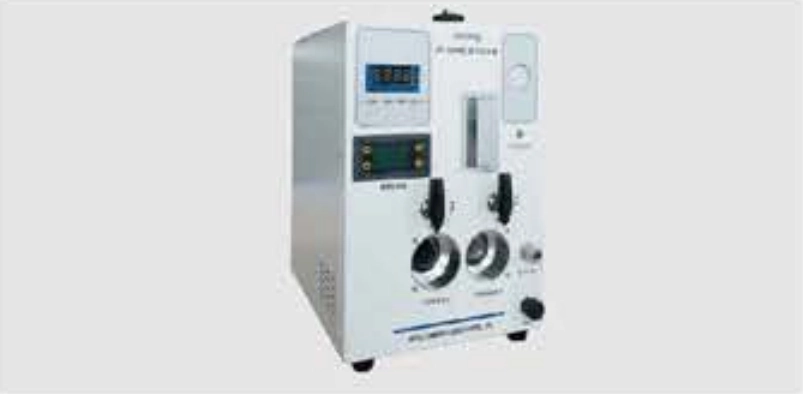
Compatible Instruments
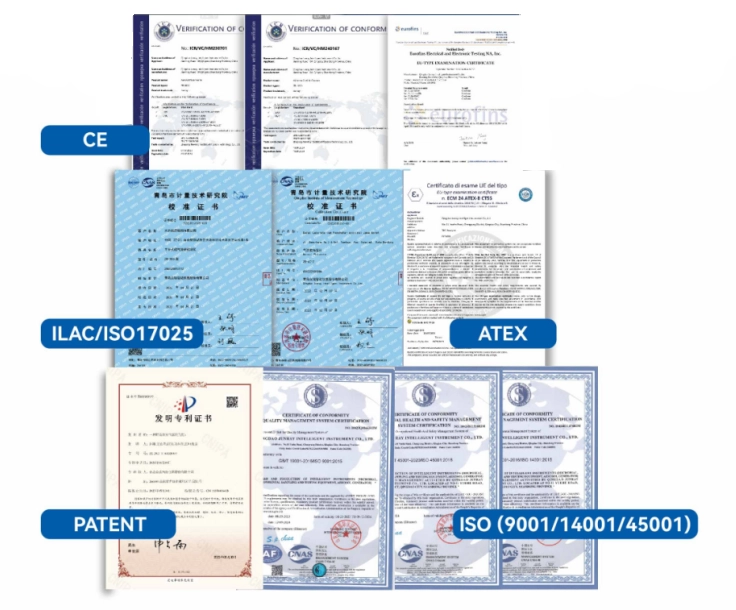
Standards
- GB 37822-2019 Standard for fugitive emission of volatile organic compounds
- HJ 1012-2018 Ambient air and waste gas—Technical requirement and test procedures for portable monitor of total hydrocarbons, methane and non-methane hydrocarbons
- HJ 1331-2023 Stationary source emission—Determination of total hydrocarbons, methane and nonmethane hydrocarbons—Portable catalytic oxidation-hydrogen flame ionization detector method
Applications
Stationary Source Emission Monitoring: Environmental law enforcement agencies or third-party testing organizations conduct direct on-site sampling and measurement of NMHC emission concentrations at stacks and exhaust vents of chemical and pharmaceutical plants.
Leak Detection and Repair (LDAR): Inspection personnel in petrochemical refineries carry the instrument to detect trace organic gas leaks at sealing points such as pipelines, valves, flanges, and pumps.
Efficiency Evaluation of Exhaust Gas Treatment Facilities: In industrial coating, printing, and packaging sectors, it is used to measure VOC concentrations at the inlet and outlet of emission control equipment (e.g., RTO/RCO catalytic oxidizers, activated carbon adsorption units) to calculate their purification efficiency.
Automotive and Engine Exhaust Testing: Measuring the content of unburned hydrocarbons in the exhaust emissions of internal combustion engines and heavy-duty diesel vehicles.
Environmental Emergency Response: Rapid screening of hazardous organic compound concentrations in the air upon immediate arrival at the scene of sudden environmental incidents, such as chemical spills or plant fires.
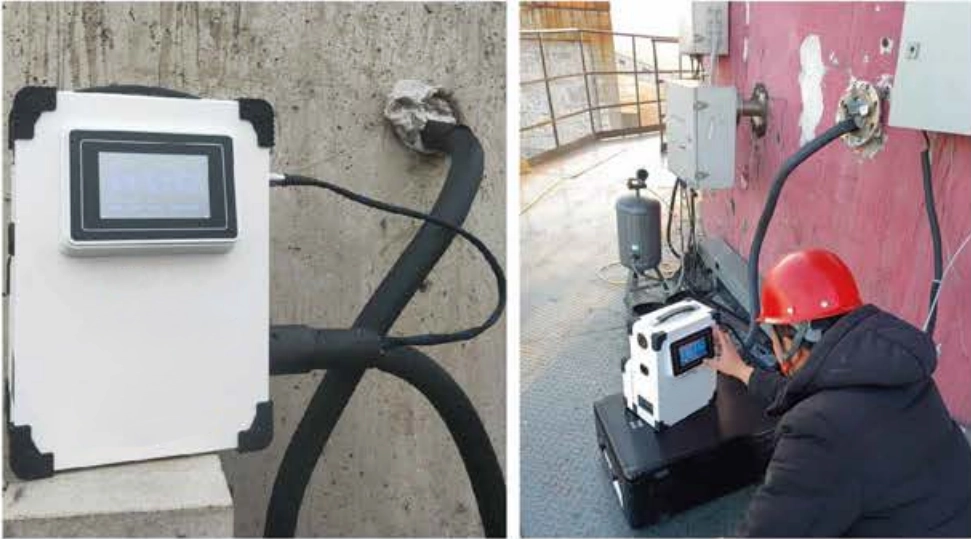
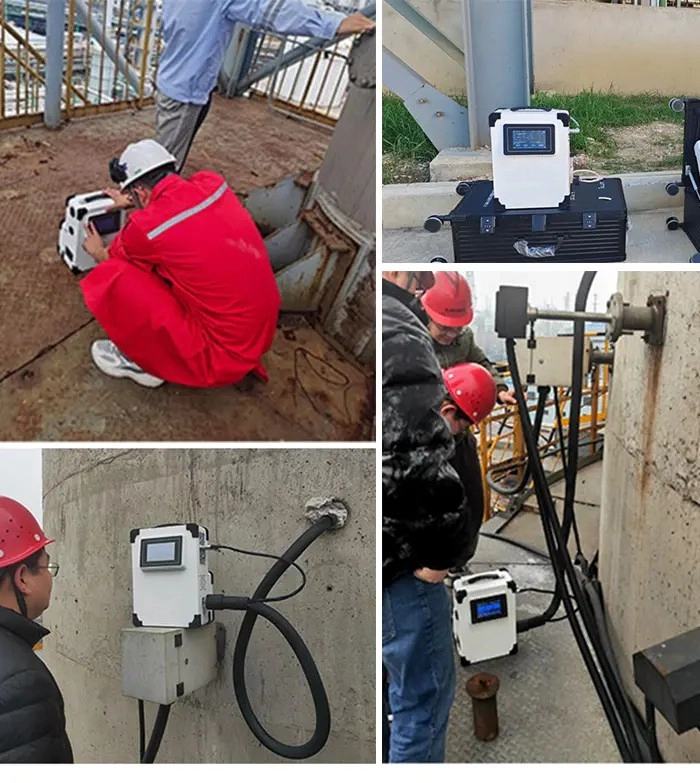
Working Principle (H-FID Technology)
The core of this instrument lies in the H-FID (Heated Flame Ionization Detector). Its working mechanism consists of three key steps:
- Continuous High-Temperature Heating (Heated): The gas sample is continuously heated and insulated along the entire path from the sampling probe and the heated transfer line to the inside of the detector (typically maintained between 120°C and 191°C). This step is crucial as it prevents high-boiling-point VOCs in high-temperature and high-humidity exhaust gases from condensing or liquefying within the pipeline, ensuring sample integrity and preventing pipeline blockages.
- Flame Ionization: The instrument utilizes the combustion of hydrogen and air to generate a high-temperature micro-flame internally. When a sample gas containing hydrocarbons enters the flame, organic molecules undergo thermal cracking and ionize into carbon cations and electrons.
- Microcurrent Detection: A polarization voltage is applied to the collector electrode of the detector. The generated ions move directionally under the electric field, forming a weak ionic current. The intensity of this current is directly proportional to the total amount of hydrocarbons (number of carbon atoms) in the gas sample. The instrument amplifies this minute current signal, calculates, and directly displays the concentration of Total Hydrocarbons (THC) or Non-Methane Hydrocarbons (NMHC).
Differences Between H-FID and PID
Comparison of Core Working Principles
- H-FID (Heated Flame Ionization Detector): A destructive detection method. It utilizes a high-temperature micro-flame generated by the combustion of hydrogen and air as an energy source. When the sample gas enters the flame, almost all organic compounds containing carbon-hydrogen bonds undergo high-temperature cracking and ionize into carbon cations. The resulting microcurrent signal reflects the total number of carbon atoms in the sample. To prevent the condensation of high-boiling-point VOCs and overcome moisture interference, the entire gas path must be continuously heat-traced (typically at 120°C – 191°C).
- PID (Photoionization Detector): A non-destructive detection method. It uses a high-energy ultraviolet (UV) lamp to directly irradiate the sample gas. As long as the ionization potential (IP) of the target gas molecules is lower than the photon energy emitted by the UV lamp (commonly a 10.6 eV UV lamp), the molecules will lose electrons and ionize, generating a current signal. After the gas passes through the detector, the ions recombine, leaving the gas structure intact.
| Feature | H-FID (Flame Ionization Detector) | PID (Photoionization Detector) |
| Energy Source | High-temperature flame from hydrogen combustion | High-energy ultraviolet (UV) lamp |
| Target Measurement | Total Hydrocarbons (including methane) | VOCs with specific ionization potentials (excluding methane) |
| Highly Responsive Gases | Vast majority of organics including alkanes, alkenes, aromatics | BTEX (benzene series), alcohols, ketones, and some inorganic gases (e.g., H2S, NH3) |
| Non-Responsive Blind Spots | CO, CO2, water vapor, noble gases, Freon (CFCs) | Methane, ethane, CO, CO2, O2, N2 |
| Auxiliary Gas | Requires high-purity hydrogen cylinder (as fuel) and combustion air | No auxiliary gas required |
| Humidity Interference | Minimal (continuous high-temperature heat tracing overcomes moisture) | Relatively high (high-humidity environments can cause moisture to absorb UV light, leading to signal quenching) |
Key Differences Regarding Methane (CH4)
The H-FID can completely ionize methane; therefore, it directly measures “Total Hydrocarbons” (THC). In environmental stationary source monitoring, it is usually necessary to combine an internal chromatographic column or a dual-FID channel to separate the methane, and then calculate the emission concentration of Non-Methane Hydrocarbons (NMHC).
In contrast, the ionization potential of methane is as high as 12.98 eV, and the 10.6 eV lamp most commonly equipped in portable PIDs lacks sufficient energy to ionize it. Consequently, the concentration directly measured by a PID inherently excludes methane. This makes PID highly suitable for directly screening trace toxic organic gases in environments with a high methane background (such as landfills or certain areas of petrochemical plants) without being subject to methane interference.